

Orgueil et préjugés. Texte abrégé
6,95 €
Epuisé
EAN :
9782017266761
Extrait : "Depuis que je vous connais, depuis le tout premier moment, vos manières, en me montrant votre arrogance, votre orgueil et votre mépris égoïste pour les sentiments des autres, m'ont causé une aversion pour vous qui ne s'est jamais démentie. Je ne vous connaissais pas depuis un mois que je vous considérais déjà comme le dernier homme que je pourrais épouser". Information contenu : Comment s'assurer du meilleur parti, en tenant compte tout à la fois des convenances, des préjugés... et de ses sentiments ...
Plus d'informations
| EAN | 9782017266761 |
|---|---|
| Titre | Orgueil et préjugés. Texte abrégé |
| Auteur | Austen Jane ; Laporte Michel |
| Editeur | POCHE JEUNESSE |
| Largeur | 126 |
| Poids | 164 |
| Date de parution | 20240821 |
| Nombre de pages | 352,00 € |
| Disponibilité | Epuisé |
Pourquoi choisir Molière ?
Efficacité et rapidité Commandé avant 16h livré demain
Économique et pratique Livraison dès 3,90 €
Facile et sans frais Retrait gratuit en magasin
Du même auteur
-
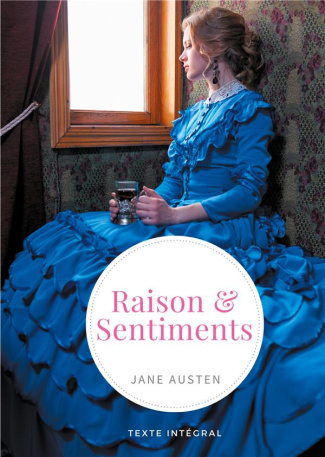
Raison et Sentiments
Raison et Sensibilité est le premier roman publié de la femme de lettres anglaise Jane Austen. Il paraît en 1811 de façon anonyme puisqu'il était signé by a Lady. Résumé : Après le décès de leur père, Henry Dashwood Elinor, Marianne et Margaret Dashwood ainsi que leur mère se trouvent privées de leur part d'héritage par leur demi-frère (né d'un précédent mariage de Henry Dashwood) qui se laisse facilement convaincre par sa femme Fanny qu'il ne leur doit rien. Leur situation financière considérablement diminuée, elles se retrouvent dans des circonstances particulièrement difficiles. Décidée à quitter le Sussex et le domaine de Norland, où sa belle-fille est venue s'installer en maîtresse sans tarder, Mrs Dashwood part avec ses filles pour le lointain Devon, où un généreux parent à elle, Sir John Middleton, lui a proposé de venir habiter sur ses terres, à Barton Cottage. Les jeunes filles sont rapidement acceptées par leur nouvelle société, particulièrement par Sir John, Lady Middleton et sa mère Mrs Jennings. Sense and Sensibility (traduit en français par Raison et Sensibilité, Raison et Sentiments, ou encore Le Coeur et la Raison) est le premier roman publié de la femme de lettres anglaise Jane Austen. Il paraît en 1811 de façon anonyme puisqu'il était signé by a Lady ("[signé] par une dame"). En effet, sa position sociale interdisait à Jane Austen de signer de son nom un roman destiné à la vente, mais elle ne voulait pas cacher qu'il était l'oeuvre d'une femme. Le texte initial, écrit vers 1795, probablement sous forme épistolaire, avait pour titre le nom des deux héroïnes, Elinor et Marianne, comme beaucoup de romans écrits par des femmes au XVIIIe siècle, mais le choix du titre définitif, pour la publication en 1811, semble indiquer une volonté didactique. Marianne Dashwood, ardente et romanesque, qui croit passionnément pouvoir s'affranchir des convenances, s'affiche avec le séduisant Willoughby dont elle est tombée amoureuse, tandis que sa soeur aînée, la raisonnable Elinor, cache le tendre sentiment que lui inspire son beau-frère, Edward Ferrars. Marianne devra apprendre à surmonter la trahison des sentiments, dans la douleur et avec l'aide de sa soeur, qui, de son côté, refuse stoïquement de rêver et se dévoue à sa famille. Publié par Thomas Egerton, et à compte d'auteur, à l'automne 1811, le roman est accueilli plutôt favorablement et paraît en français dès 1815, dans une traduction-adaptation très libre par Isabelle de Montolieu, sous le titre RaisonImpression à la demandeCOMMANDER22,00 € -

Persuasion
RESUME : "Persuasion" est le dernier roman de Jane Austen, publié à titre posthume en 1817. L'histoire se concentre sur Anne Elliot, une jeune femme de 27 ans qui vit avec sa famille aristocratique en déclin. Huit ans auparavant, Anne a été persuadée de rompre ses fiançailles avec Frederick Wentworth, un jeune officier de marine sans fortune. La décision, influencée par sa famille et son amie Lady Russell, a laissé Anne pleine de regrets. Le roman explore les thèmes de l'amour perdu et retrouvé, de la pression sociale et du changement de statut. Lorsque Wentworth revient dans la vie d'Anne, désormais riche et respecté, elle doit naviguer entre ses sentiments persistants et les attentes de sa famille. Austen dépeint avec finesse la société anglaise de l'époque, ses conventions et ses préjugés, tout en offrant une critique subtile de la manière dont les femmes sont souvent privées de leur propre voix. Le récit est une étude sur la résilience et la capacité à saisir une seconde chance en amour, tout en mettant en lumière les tensions entre tradition et changement. Avec son style caractéristique, Austen nous guide à travers les complexités émotionnelles de ses personnages, rendant "Persuasion" aussi pertinent aujourd'hui qu'à l'époque de sa publication. L'AUTEUR : Jane Austen, née le 16 décembre 1775 à Steventon dans le Hampshire, est l'une des romancières les plus célèbres de la littérature anglaise. Fille d'un pasteur, elle a grandi dans une famille nombreuse et cultivée, ce qui a fortement influencé son éducation et son amour pour la lecture et l'écriture. Austen a commencé à écrire dès son adolescence, mais c'est à l'âge adulte qu'elle a publié ses oeuvres les plus célèbres. Ses romans, parmi lesquels "Orgueil et Préjugés", "Emma" et "Raison et Sentiments", sont connus pour leur critique sociale et leur exploration des relations humaines. Ils dépeignent avec humour et perspicacité la société anglaise du début du XIXe siècle. Bien que ses oeuvres n'aient pas connu un succès immédiat, elles ont gagné en popularité après sa mort, et Austen est aujourd'hui considérée comme une figure centrale de la littérature anglaise. Elle est décédée le 18 juillet 1817 à Winchester, laissant derrière elle un héritage littéraire qui continue d'inspirer des générations de lecteurs et d'écrivains.Impression à la demandeCOMMANDER9,99 € -

Orgueil et Préjugés
Orgueil et Préjugés (Pride and Prejudice) est un roman de la femme de lettres anglaise Jane Austen paru en 1813. Il est considéré comme l'une de ses oeuvres les plus significatives et est aussi la plus connue du grand public. Rédigé entre 1796 et 1797, le texte, alors dans sa première version (First Impressions), figurait au nombre des grands favoris des lectures en famille que l'on faisait le soir à la veillée dans la famille Austen. Révisé en 1811, il est finalement édité deux ans plus tard, en janvier 1813. Son succès en librairie est immédiat, mais bien que la première édition en soit rapidement épuisée, Jane Austen n'en tire aucune notoriété : le roman est en effet publié sans mention de son nom ("par l'auteur de Sense and Sensibility") car sa condition de "femme de la bonne société" lui interdit de revendiquer le statut d'écrivain à part entière. Drôle et romanesque, le chef-d'oeuvre de Jane Austen continue à jouir d'une popularité considérable, par ses personnages bien campés, son intrigue soigneusement construite et prenante, ses rebondissements nombreux, et son humour plein d'imprévu. Derrière les aventures sentimentales des cinq filles Bennet, Jane Austen dépeint fidèlement les rigidités de la société anglaise au tournant des xviii et xix siècles.Impression à la demandeCOMMANDER19,99 € -
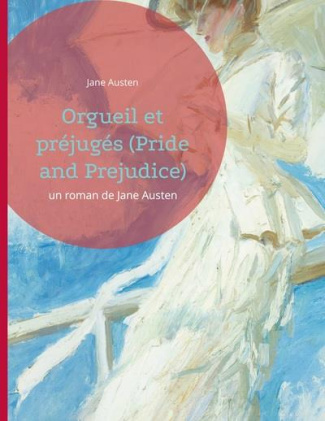
Orgueil et préjugés
A Longbourn, petit bourg du Hertfordshire, sous le règne du roi George III, Mrs Bennet est déterminée à marier ses cinq filles afin d'assurer leur avenir, compromis par certaines dispositions testamentaires. Lorsqu'un riche jeune homme, Mr Bingley, loue Netherfield, le domaine voisin, elle espère vivement qu'une de ses filles saura lui plaire assez pour qu'il l'épouse. Malheureusement il est accompagné de ses deux soeurs, Caroline et Louisa, plutôt imbues d'elles-mêmes, et d'un ami très proche, Mr Darcy, jeune homme immensément riche, propriétaire d'un grand domaine dans le Derbyshire, mais très dédaigneux et méprisant envers la société locale.Impression à la demandeCOMMANDER19,99 €


Du même éditeur
-

Arlo Finch Tome 1 : Le mystère des Longs Bois
Je protège la nature Je défends les plus faibles, J'éclaire les sentiers, Et cherche la droiture. Esprits de la forêt, entendez-moi Prononcer mon Serment du ranger" Quand Arlo rejoint les Rangers de Pine Mountain, il n'imagine pas que, dans les mystérieux Longs Bois qui entourent la ville, certaines pistes le mèneront à la magie... et d'autres au danger.EpuiséVOIR PRODUIT7,20 € -

Harper (15 ans) Tome 3 : Les espoirs
Pour Harper, Noël est une période noire. Elle ne supporte pas les playlists de sa mère, sa bonne humeur exagérée ses déclarations pailletées. Elle prétend même que sa fille n'a pas de coeur. Pourtant, Harper en a bien un, brisé en deux entre Declan et Josh. Elle croyait avoir déjà tout vécu à Noël. Mais le choc a été de taille lorsque la sonnette de la porte d'entrée a retenti.Sur commande en 2-4 joursCOMMANDER6,95 € -

BFF Best Friends Forever! Tome 7 : Secrets et mensonges
Encore une séparation pour les BFF... Mais il n'est pas question pour Charlotte de se morfondre. Le collège organise une sortie scolaire des plus amusantes en ce début d'hiver : deux jours loin de sa famille avec toute sa classe et plein d'activités sympas. Mais une fois sur place, Charlotte découvre un secret qu'elle aurait mille fois préféré ne pas savoir. A l'autre bout du pays, Emilie est prête à tout pour oublier ses histoires d'amour rocambolesques. Loin de sa famille et de sa BFF, elle se jette à pieds joints dans une aventure équestre qui lui en fera voir de toutes les couleurs. Charlotte et Emilie parviendront-elles à résoudre tous leurs problèmes malgré la distance qui les sépare ?Sur commande en 2-4 joursCOMMANDER7,90 € -

Voyage au centre de la Terre. Texte abrégé
Le professeur Lidenbrock est persuadé d'avoir découvert le chemin qui mène au centre de la Terre. Accompagné de son neveu Axel, l'impétueux géologue part en Islande. Là, au fond d'un volcan, les deux explorateurs et leur guide s'enfoncent dans les entrailles mystérieuses du globe. Un voyage d'une folle audace, véritable défi lancé à la science.Sur commande en 2-4 joursCOMMANDER6,60 €


De la même catégorie
-
Voyage au centre de la Terre. Texte abrégé
Le professeur Lidenbrock est persuadé d'avoir découvert le chemin qui mène au centre de la Terre. Accompagné de son neveu Axel, l'impétueux géologue part en Islande. Là, au fond d'un volcan, les deux explorateurs et leur guide s'enfoncent dans les entrailles mystérieuses du globe. Un voyage d'une folle audace, véritable défi lancé à la science.Sur commande en 2-4 joursCOMMANDER6,60 € -

Entre chiens et loups Tome 2 : La couleur de la haine
Imaginez un monde où tout est noir ou blanc ? Où ce qui est noir est riche, puissant et dominant. Où ce qui est blanc est pauvre, opprimé et méprisé. Noirs et Blancs ne se mélangent pas. Jamais. Pourtant, Callie Rose est née. Enfant de l'amour pour Sephy et Callun, ses parents. Enfant de la honte pour le monde entier. Chacun doit alors choisir son camp et sa couleur. Mais pour certains, cette couleur prend une teinte dangereuse... celle de la haine.Notes Biographiques : Malorie Blackman est née en 1962, à Londres. Tout d'abord ingénieur en informatique, elle se consacre ensuite entièrement à l'écriture. Ses romans ont obtenu de nombreux prix. Traduite en plusieurs langues, elle est aujourd'hui devenue un auteur incontournable de la littérature de jeunesse.EpuiséVOIR PRODUIT8,85 € -

Made in Vietnam
Lan, quatorze ans, est ouvrière dans une usine de baskets, au sud du Vietnam. Sa famille a besoin de son salaire pour survivre. Malgré les conditions de travail déplorables, la jeune fille doit apprendre à se taire et à désobéir. Ses éclats de rire et son indignation, elle les réserve à Hoa, sa meilleure amie. Cependant, tout au fond d'elle, couve le feu de la révolte...En stockCOMMANDER7,75 € -

Alex Rider Tome 6 : Arkange
Alex Rider va-t-il abandonner l'espionnage ? Après avoir échappé à la mort, il est bien décidé à reprendre sa vie d'adolescent ordinaire. Mais sa rencontre avec Paul Drevin, le fils d'un milliardaire, à qui il sauve la vie, propulse Alex au centre d'un conflit lié à la construction du premier hôtel de l'espace : l'Arkange.Sur commande en 2-4 joursCOMMANDER7,75 €


