

Du fond de mon coeur. Lettres à ses nièces
De Jane Austen on sait peu de choses, les sources de renseignements étant rares. Les lettres qu'elle écrivit à ses trois nièces préférées dressent un portrait émouvant de l'auteur d'Orgueil et préjugés et témoignent de son caractère vif et généreux. Restée célibataire et sans enfants, c'est avec l'affection d'une grande soeur attentionnée qu'elle guide et conseille ses jeunes nièces. Elle leur parle d'écriture, de stratégie amoureuse, de sa vie à la campagne, avec l'humour et l'élégance qui font le sel de ses romans. Ces échanges révèlent une touchante intimité, et l'on acquiert bien vite la conviction que Jane Austen n'avait rien à envier à ses attachantes héroïnes. Austen se montre tendre et enjouée. Ses lettres poursuivent l'exploration de la tension inépuisable entre " raison " et " sentiment ", passion et conventions sociales. Un prolongement attachant de son univers romanesque.
| Nombre de pages | 192 |
|---|---|
| Date de parution | 04/01/2017 |
| Poids | 122g |
| Largeur | 110mm |
| EAN | 9782253070009 |
|---|---|
| Titre | Du fond de mon coeur. Lettres à ses nièces |
| Auteur | Austen Jane |
| Editeur | LGF |
| Largeur | 110 |
| Poids | 122 |
| Date de parution | 20170104 |
| Nombre de pages | 192,00 € |
| Disponibilité | En stock |
Pourquoi choisir Molière ?
Du même auteur
-
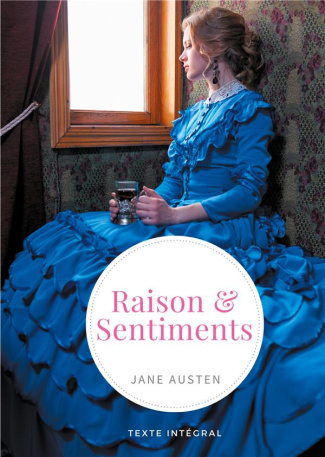
Raison et Sentiments
Raison et Sensibilité est le premier roman publié de la femme de lettres anglaise Jane Austen. Il paraît en 1811 de façon anonyme puisqu'il était signé by a Lady. Résumé : Après le décès de leur père, Henry Dashwood Elinor, Marianne et Margaret Dashwood ainsi que leur mère se trouvent privées de leur part d'héritage par leur demi-frère (né d'un précédent mariage de Henry Dashwood) qui se laisse facilement convaincre par sa femme Fanny qu'il ne leur doit rien. Leur situation financière considérablement diminuée, elles se retrouvent dans des circonstances particulièrement difficiles. Décidée à quitter le Sussex et le domaine de Norland, où sa belle-fille est venue s'installer en maîtresse sans tarder, Mrs Dashwood part avec ses filles pour le lointain Devon, où un généreux parent à elle, Sir John Middleton, lui a proposé de venir habiter sur ses terres, à Barton Cottage. Les jeunes filles sont rapidement acceptées par leur nouvelle société, particulièrement par Sir John, Lady Middleton et sa mère Mrs Jennings. Sense and Sensibility (traduit en français par Raison et Sensibilité, Raison et Sentiments, ou encore Le Coeur et la Raison) est le premier roman publié de la femme de lettres anglaise Jane Austen. Il paraît en 1811 de façon anonyme puisqu'il était signé by a Lady ("[signé] par une dame"). En effet, sa position sociale interdisait à Jane Austen de signer de son nom un roman destiné à la vente, mais elle ne voulait pas cacher qu'il était l'oeuvre d'une femme. Le texte initial, écrit vers 1795, probablement sous forme épistolaire, avait pour titre le nom des deux héroïnes, Elinor et Marianne, comme beaucoup de romans écrits par des femmes au XVIIIe siècle, mais le choix du titre définitif, pour la publication en 1811, semble indiquer une volonté didactique. Marianne Dashwood, ardente et romanesque, qui croit passionnément pouvoir s'affranchir des convenances, s'affiche avec le séduisant Willoughby dont elle est tombée amoureuse, tandis que sa soeur aînée, la raisonnable Elinor, cache le tendre sentiment que lui inspire son beau-frère, Edward Ferrars. Marianne devra apprendre à surmonter la trahison des sentiments, dans la douleur et avec l'aide de sa soeur, qui, de son côté, refuse stoïquement de rêver et se dévoue à sa famille. Publié par Thomas Egerton, et à compte d'auteur, à l'automne 1811, le roman est accueilli plutôt favorablement et paraît en français dès 1815, dans une traduction-adaptation très libre par Isabelle de Montolieu, sous le titre RaisonImpression à la demandeCOMMANDER22,00 € -

Persuasion
RESUME : "Persuasion" est le dernier roman de Jane Austen, publié à titre posthume en 1817. L'histoire se concentre sur Anne Elliot, une jeune femme de 27 ans qui vit avec sa famille aristocratique en déclin. Huit ans auparavant, Anne a été persuadée de rompre ses fiançailles avec Frederick Wentworth, un jeune officier de marine sans fortune. La décision, influencée par sa famille et son amie Lady Russell, a laissé Anne pleine de regrets. Le roman explore les thèmes de l'amour perdu et retrouvé, de la pression sociale et du changement de statut. Lorsque Wentworth revient dans la vie d'Anne, désormais riche et respecté, elle doit naviguer entre ses sentiments persistants et les attentes de sa famille. Austen dépeint avec finesse la société anglaise de l'époque, ses conventions et ses préjugés, tout en offrant une critique subtile de la manière dont les femmes sont souvent privées de leur propre voix. Le récit est une étude sur la résilience et la capacité à saisir une seconde chance en amour, tout en mettant en lumière les tensions entre tradition et changement. Avec son style caractéristique, Austen nous guide à travers les complexités émotionnelles de ses personnages, rendant "Persuasion" aussi pertinent aujourd'hui qu'à l'époque de sa publication. L'AUTEUR : Jane Austen, née le 16 décembre 1775 à Steventon dans le Hampshire, est l'une des romancières les plus célèbres de la littérature anglaise. Fille d'un pasteur, elle a grandi dans une famille nombreuse et cultivée, ce qui a fortement influencé son éducation et son amour pour la lecture et l'écriture. Austen a commencé à écrire dès son adolescence, mais c'est à l'âge adulte qu'elle a publié ses oeuvres les plus célèbres. Ses romans, parmi lesquels "Orgueil et Préjugés", "Emma" et "Raison et Sentiments", sont connus pour leur critique sociale et leur exploration des relations humaines. Ils dépeignent avec humour et perspicacité la société anglaise du début du XIXe siècle. Bien que ses oeuvres n'aient pas connu un succès immédiat, elles ont gagné en popularité après sa mort, et Austen est aujourd'hui considérée comme une figure centrale de la littérature anglaise. Elle est décédée le 18 juillet 1817 à Winchester, laissant derrière elle un héritage littéraire qui continue d'inspirer des générations de lecteurs et d'écrivains.Impression à la demandeCOMMANDER9,99 € -
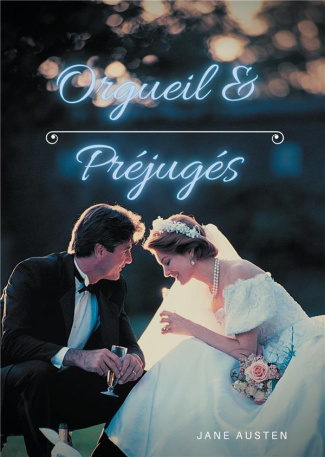
Orgueil et Préjugés
Orgueil et Préjugés (Pride and Prejudice) est un roman de la femme de lettres anglaise Jane Austen paru en 1813. Il est considéré comme l'une de ses oeuvres les plus significatives et est aussi la plus connue du grand public. Rédigé entre 1796 et 1797, le texte, alors dans sa première version (First Impressions), figurait au nombre des grands favoris des lectures en famille que l'on faisait le soir à la veillée dans la famille Austen. Révisé en 1811, il est finalement édité deux ans plus tard, en janvier 1813. Son succès en librairie est immédiat, mais bien que la première édition en soit rapidement épuisée, Jane Austen n'en tire aucune notoriété : le roman est en effet publié sans mention de son nom ("par l'auteur de Sense and Sensibility") car sa condition de "femme de la bonne société" lui interdit de revendiquer le statut d'écrivain à part entière. Drôle et romanesque, le chef-d'oeuvre de Jane Austen continue à jouir d'une popularité considérable, par ses personnages bien campés, son intrigue soigneusement construite et prenante, ses rebondissements nombreux, et son humour plein d'imprévu. Derrière les aventures sentimentales des cinq filles Bennet, Jane Austen dépeint fidèlement les rigidités de la société anglaise au tournant des xviii et xix siècles.Impression à la demandeCOMMANDER19,99 € -
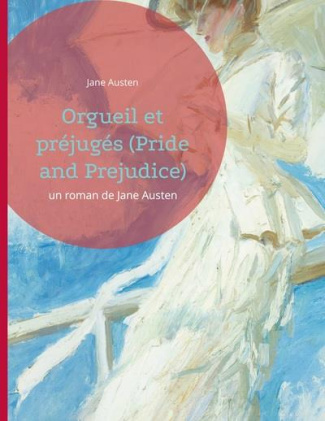
Orgueil et préjugés
A Longbourn, petit bourg du Hertfordshire, sous le règne du roi George III, Mrs Bennet est déterminée à marier ses cinq filles afin d'assurer leur avenir, compromis par certaines dispositions testamentaires. Lorsqu'un riche jeune homme, Mr Bingley, loue Netherfield, le domaine voisin, elle espère vivement qu'une de ses filles saura lui plaire assez pour qu'il l'épouse. Malheureusement il est accompagné de ses deux soeurs, Caroline et Louisa, plutôt imbues d'elles-mêmes, et d'un ami très proche, Mr Darcy, jeune homme immensément riche, propriétaire d'un grand domaine dans le Derbyshire, mais très dédaigneux et méprisant envers la société locale.Impression à la demandeCOMMANDER19,99 €


Du même éditeur
-

-

L'Ombre douce
1954, dans un hôpital militaire de Hanoi, Yann, un soldat breton, est soigné par Mai. Ils tombent amoureux, mais le père de la jeune fille l'a promise à un autre. Elle s'insurge, elle est bannie de la famille... Ils se marient en toute hâte, avant que Yann rejoigne la cuvette de Diên Biên Phu. Après la défaite de l'armée française, Yann est emmené dans un camp d'internement. Dans une langue poétique, avec grâce et pudeur, Hoai Huong Nguyen peint le Vietnam d'hier et un amour qui affronte la violence d'une guerre. L'histoire bouleversante de Mai et de Yann laisse percer la lumière des humbles héros qui croient à la liberté et à l'absolu malgré les vicissitudes de l'Histoire. Tout est là : l'Histoire, l'histoire, la manière de les faire s'imbriquer, la netteté de l'écriture, la volonté de trouver une parole adéquate à la tragédie, la complexité des psychologies... "Un instant de littérature pure." Yann Moix, Le Figaro littéraire.EpuiséVOIR PRODUIT7,20 € -
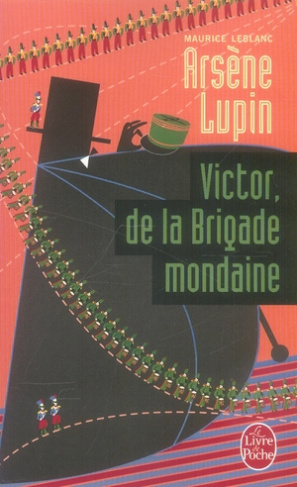
Victor, de la Brigade mondaine
Avant le vol des bons de la Défense nationale et les assassinats qui suivirent, la renommée de Victor, de la Brigade mondaine, n'excédait pas le cercle restreint de ses chefs et de ses collègues. Il fallut, pour le mettre en évidence, qu'apparût brusquement en face de lui cet extraordinaire, ce formidable personnage d'Arsène Lupin, qui allait donner à cette ténébreuse affaire sa signification et son intérêt spécial. Les qualités déjà remarquables du vieil inspecteur furent portées à leur paroxysme par le prodigieux adversaire que lui opposaient les circonstances. C'est leur lutte sournoise, ardente, implacable, poursuivie dans l'ombre d'abord, puis en pleine clarté, que nous raconte Victor, de la Brigade mondaine.EpuiséVOIR PRODUIT7,90 € -
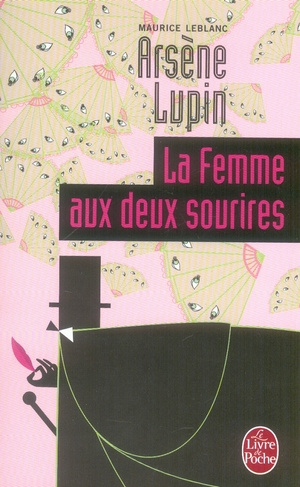
La femme aux deux sourires
Antonine?? Clara?? laquelle de ces deux figures constituait la véritable personnalité de l'être charmant qu'il avait rencontré? Elle avait à la fois le sourire le plus franc et le plus mystérieux, le regard le plus candide et les yeux les plus voluptueux, l'aspect le plus ingénu et l'air le plus inquiétant. "Arsène Lupin, dit Raoul, résout, bien sûr, le premier, une ténébreuse affaire de meurtre, et avec quelle maestria! Amoureux, il risque sa vie. Ingénieux, il s'échappe alors qu'il est cerné par la police ou les truands. Insolent, il joue des tours aux deux.Le gentleman-cambrioleur est au mieux de sa forme pour notre plus grand bonheur. "EpuiséVOIR PRODUIT5,85 €



De la même catégorie
-
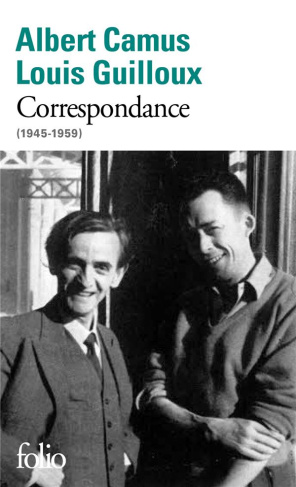
Correspondance (1945-1959)
Cher Guilloux, À propos du Sang noir, j'y ai remis le nez, poussé par l'amitié. J'ai eu honte et je me suis senti très petit garçon. Je ne connais personne aujourd'hui qui sache faire vivre ses personnages comme tu le fais. Il n'y a plus de romanciers parce que nous n'écrivons plus avec le coeur et la tendresse. Enfin, j'en étais tout remué." L'un est breton, l'autre algérien, Guilloux est habité par le noir et aspire à la lumière, quand Camus, plus solaire, est rongé par le doute. Pourtant, lorsqu'ils se rencontrent à Paris en 1945, une amitié se noue immédiatement entre les deux écrivains. Ces fils du peuple, qui ont connu la pauvreté, sont animés par l'esprit de justice et de fraternité. Cette correspondance croisée ponctue quinze années d'une profonde affection, nourrie d'innombrables causeries, lectures, promenades et repas partagés.Sur commande en 2-4 joursCOMMANDER9,20 € -
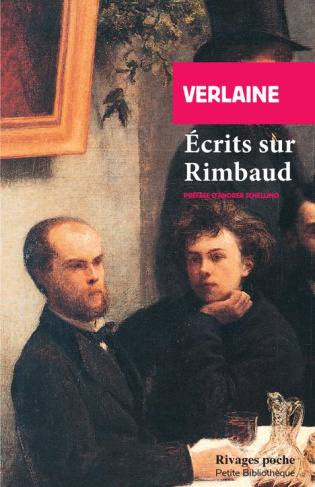
Ecrits sur Rimbaud
A son arrivée à Paris, en septembre 1871, Rimbaud apparaît à Verlaine comme un enfant "au visage parfaitement ovale d'ange en exil". Ce sera le début d'une relation tumultueuse, qui prendra brusquement fin en juillet 1873, à Bruxelles. Témoin privilégié de son compagnon, Verlaine en devient alors le promoteur et l'éditeur : inaugurant "en quelque sorte la gloire" de Rimbaud, comme il l'écrit lui-même, il distribue ses souvenirs dans des essais et des poèmes émus. Ces pages, ici recueillies, restituent le visage authentique du poète "aux semelles de vent".Sur commande en 2-4 joursCOMMANDER7,70 € -
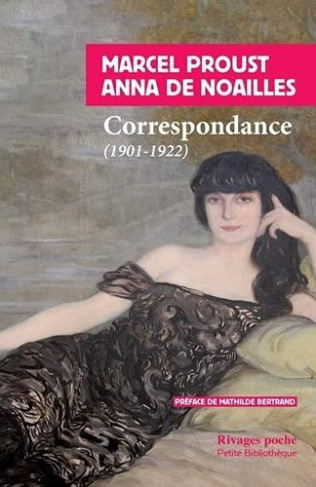
Correspondance. (1901-1919)
Proust dans cette correspondance avec Anne de Noailles analyse sans complaisance les moeurs et les secrets d'une société cruellement mise à nue, qu'il pare simultanément pourtant d'une beauté et d'une poésie fabuleuses.Sur commande en 2-4 joursCOMMANDER10,00 € -
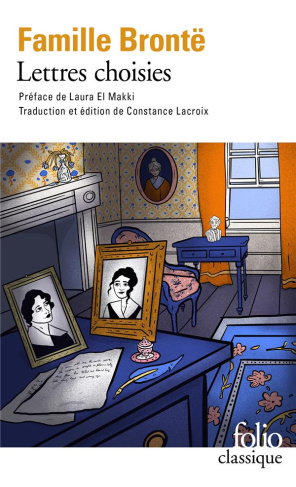
Lettres choisies de la famille Brontë (1821-1855)
Voici une famille hors norme, qui a produit quatre écrivains, tous fauchés en plein vol (morts avant quarante ans), soudés autour du père, vivant et créant ensemble, entre mélancolie et humour noir. Face aux drames des jours sombres, le clan fait bloc. Face à la difficulté d'être une femme qui écrit, les soeurs Brontë publient d'abord sous pseudonyme masculin (Charlotte, Jane Eyre ; Emily, Les Hauts de Hurlevent), souhaitant que leurs livres les consolent du destin, rendent possible l'amour et soient assez puissants pour enlever au lecteur tout désir d'en connaître l'auteur. Leur succès en a décidé autrement. Leur voeu d'invisibilité est aujourd'hui rompu, leur idée de l'intime nous est devenue étrangère. Il est temps de reconnaître qu'une oeuvre embrasse aussi tout ce qui lui a permis de surgir. Cette correspondance passionnante en est la preuve. Sur les mille lettres échangées par le père et les quatre enfants, entre 1821 (mort de la mère) et 1855 (mort de Charlotte), cette édition en retient trois cent dix. On entre dans ce recueil sur la pointe des pieds, comme si quelqu'un, en ouvrant une porte dérobée, nous faisait signe de nous approcher et nous rendait témoins de l'extraordinaire force de vie qui anime ces cinq êtres : le désir de prendre son envol, d'aimer, d'écrire - de vivre malgré tout.Sur commande en 2-4 joursCOMMANDER10,50 €


