

Orgueil et Préjugés
Les premières apparences sont souvent trompeuses... (Re)découvrez l'une des plus grandes histoires d'amour de la littérature anglaise. Le quotidien d'Élisabeth Bennet et de ses s'urs, que leur mère ne songe qu'à marier, est bouleversé par l'installation à Netherfield de Mr Bingley ? et l'arrivée du froid Mr Darcy provoque d'autres turbulences? Or, dans le petit monde de l'aristocratie, où les premières impressions sont reines, un scandale peut naître au moindre faux pas ! Jane Austen (1775-1817) grandit au sein d'une famille de la petite noblesse anglaise. Elle se dédie à l'écriture et publie plusieurs romans de son vivant qui rencontrent un vif succès critique et public, dans lesquels elle dissèque avec ironie les m'urs de l'aristocratie. Orgueil et Préjugés est l'une des plus grandes histoires d'amour de la littérature britannique. Traduit de l'anglais (Royaume-Uni) par Éloïse Perks
| Nombre de pages | 480 |
|---|---|
| Date de parution | 02/01/2026 |
| Poids | 370g |
| Largeur | 128mm |
| EAN | 9791041427925 |
|---|---|
| Auteur | Austen Jane ; Perks Eloïse |
| Editeur | POINTS |
| Largeur | 128 |
| Date de parution | 20260102 |
| Nombre de pages | 480,00 € |
| Disponibilité | En stock |
Pourquoi choisir Molière ?
Du même auteur
-
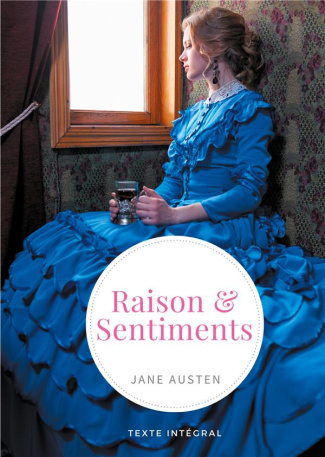
Raison et Sentiments
Raison et Sensibilité est le premier roman publié de la femme de lettres anglaise Jane Austen. Il paraît en 1811 de façon anonyme puisqu'il était signé by a Lady. Résumé : Après le décès de leur père, Henry Dashwood Elinor, Marianne et Margaret Dashwood ainsi que leur mère se trouvent privées de leur part d'héritage par leur demi-frère (né d'un précédent mariage de Henry Dashwood) qui se laisse facilement convaincre par sa femme Fanny qu'il ne leur doit rien. Leur situation financière considérablement diminuée, elles se retrouvent dans des circonstances particulièrement difficiles. Décidée à quitter le Sussex et le domaine de Norland, où sa belle-fille est venue s'installer en maîtresse sans tarder, Mrs Dashwood part avec ses filles pour le lointain Devon, où un généreux parent à elle, Sir John Middleton, lui a proposé de venir habiter sur ses terres, à Barton Cottage. Les jeunes filles sont rapidement acceptées par leur nouvelle société, particulièrement par Sir John, Lady Middleton et sa mère Mrs Jennings. Sense and Sensibility (traduit en français par Raison et Sensibilité, Raison et Sentiments, ou encore Le Coeur et la Raison) est le premier roman publié de la femme de lettres anglaise Jane Austen. Il paraît en 1811 de façon anonyme puisqu'il était signé by a Lady ("[signé] par une dame"). En effet, sa position sociale interdisait à Jane Austen de signer de son nom un roman destiné à la vente, mais elle ne voulait pas cacher qu'il était l'oeuvre d'une femme. Le texte initial, écrit vers 1795, probablement sous forme épistolaire, avait pour titre le nom des deux héroïnes, Elinor et Marianne, comme beaucoup de romans écrits par des femmes au XVIIIe siècle, mais le choix du titre définitif, pour la publication en 1811, semble indiquer une volonté didactique. Marianne Dashwood, ardente et romanesque, qui croit passionnément pouvoir s'affranchir des convenances, s'affiche avec le séduisant Willoughby dont elle est tombée amoureuse, tandis que sa soeur aînée, la raisonnable Elinor, cache le tendre sentiment que lui inspire son beau-frère, Edward Ferrars. Marianne devra apprendre à surmonter la trahison des sentiments, dans la douleur et avec l'aide de sa soeur, qui, de son côté, refuse stoïquement de rêver et se dévoue à sa famille. Publié par Thomas Egerton, et à compte d'auteur, à l'automne 1811, le roman est accueilli plutôt favorablement et paraît en français dès 1815, dans une traduction-adaptation très libre par Isabelle de Montolieu, sous le titre RaisonImpression à la demandeCOMMANDER22,00 € -

Persuasion
RESUME : "Persuasion" est le dernier roman de Jane Austen, publié à titre posthume en 1817. L'histoire se concentre sur Anne Elliot, une jeune femme de 27 ans qui vit avec sa famille aristocratique en déclin. Huit ans auparavant, Anne a été persuadée de rompre ses fiançailles avec Frederick Wentworth, un jeune officier de marine sans fortune. La décision, influencée par sa famille et son amie Lady Russell, a laissé Anne pleine de regrets. Le roman explore les thèmes de l'amour perdu et retrouvé, de la pression sociale et du changement de statut. Lorsque Wentworth revient dans la vie d'Anne, désormais riche et respecté, elle doit naviguer entre ses sentiments persistants et les attentes de sa famille. Austen dépeint avec finesse la société anglaise de l'époque, ses conventions et ses préjugés, tout en offrant une critique subtile de la manière dont les femmes sont souvent privées de leur propre voix. Le récit est une étude sur la résilience et la capacité à saisir une seconde chance en amour, tout en mettant en lumière les tensions entre tradition et changement. Avec son style caractéristique, Austen nous guide à travers les complexités émotionnelles de ses personnages, rendant "Persuasion" aussi pertinent aujourd'hui qu'à l'époque de sa publication. L'AUTEUR : Jane Austen, née le 16 décembre 1775 à Steventon dans le Hampshire, est l'une des romancières les plus célèbres de la littérature anglaise. Fille d'un pasteur, elle a grandi dans une famille nombreuse et cultivée, ce qui a fortement influencé son éducation et son amour pour la lecture et l'écriture. Austen a commencé à écrire dès son adolescence, mais c'est à l'âge adulte qu'elle a publié ses oeuvres les plus célèbres. Ses romans, parmi lesquels "Orgueil et Préjugés", "Emma" et "Raison et Sentiments", sont connus pour leur critique sociale et leur exploration des relations humaines. Ils dépeignent avec humour et perspicacité la société anglaise du début du XIXe siècle. Bien que ses oeuvres n'aient pas connu un succès immédiat, elles ont gagné en popularité après sa mort, et Austen est aujourd'hui considérée comme une figure centrale de la littérature anglaise. Elle est décédée le 18 juillet 1817 à Winchester, laissant derrière elle un héritage littéraire qui continue d'inspirer des générations de lecteurs et d'écrivains.Impression à la demandeCOMMANDER9,99 € -
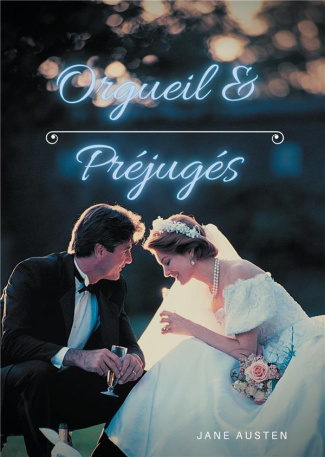
Orgueil et Préjugés
Orgueil et Préjugés (Pride and Prejudice) est un roman de la femme de lettres anglaise Jane Austen paru en 1813. Il est considéré comme l'une de ses oeuvres les plus significatives et est aussi la plus connue du grand public. Rédigé entre 1796 et 1797, le texte, alors dans sa première version (First Impressions), figurait au nombre des grands favoris des lectures en famille que l'on faisait le soir à la veillée dans la famille Austen. Révisé en 1811, il est finalement édité deux ans plus tard, en janvier 1813. Son succès en librairie est immédiat, mais bien que la première édition en soit rapidement épuisée, Jane Austen n'en tire aucune notoriété : le roman est en effet publié sans mention de son nom ("par l'auteur de Sense and Sensibility") car sa condition de "femme de la bonne société" lui interdit de revendiquer le statut d'écrivain à part entière. Drôle et romanesque, le chef-d'oeuvre de Jane Austen continue à jouir d'une popularité considérable, par ses personnages bien campés, son intrigue soigneusement construite et prenante, ses rebondissements nombreux, et son humour plein d'imprévu. Derrière les aventures sentimentales des cinq filles Bennet, Jane Austen dépeint fidèlement les rigidités de la société anglaise au tournant des xviii et xix siècles.Impression à la demandeCOMMANDER19,99 € -
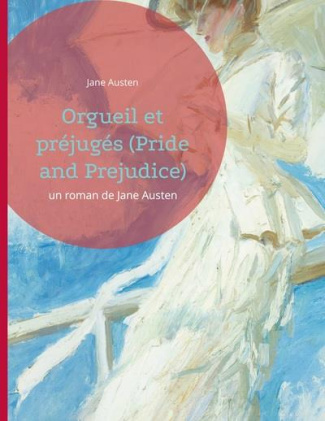
Orgueil et préjugés
A Longbourn, petit bourg du Hertfordshire, sous le règne du roi George III, Mrs Bennet est déterminée à marier ses cinq filles afin d'assurer leur avenir, compromis par certaines dispositions testamentaires. Lorsqu'un riche jeune homme, Mr Bingley, loue Netherfield, le domaine voisin, elle espère vivement qu'une de ses filles saura lui plaire assez pour qu'il l'épouse. Malheureusement il est accompagné de ses deux soeurs, Caroline et Louisa, plutôt imbues d'elles-mêmes, et d'un ami très proche, Mr Darcy, jeune homme immensément riche, propriétaire d'un grand domaine dans le Derbyshire, mais très dédaigneux et méprisant envers la société locale.Impression à la demandeCOMMANDER19,99 €


Du même éditeur
-

Pour la vie ? Court traité du mariage et des séparations
Couples fracassés, divorces, séparations : les histoires d'amour finissent mal en général. En quelques décennies, une ritournelle amusée des années 1980 est devenu une loi de la conjugalité ordinaire. Denis Moreau, philosophe, marié, amateur éclairé de rock'n'roll et lecteur intime de l'Evangile, se demande comment préserver nos amours des forces de destruction qui les menacent. Tour à tour tragique, corrosif et tendre, il analyse le mariage non comme un devoir ou une institution dépassée, mais dans ce qu'il considère être son sens et sa valeur : une réponse convaincante à la question "comment réussir sa vie ?". On connaissait les romans et les lettres d'amour. Voici un essai d'amour, écrit avec la conviction qu'il peut y avoir de grandes et belles choses dans nos histoires d'amour conjugal, en général.Sur commande en 2-4 joursCOMMANDER8,50 € -

Qu'il emporte mon secret
Grenoble, une chambre d'hôtel, décembre 2015. Hélène n'arrive pas à trouver le sommeil. Dans deux jours, elle sera appelée à comparaître, et des souvenirs occultés depuis trente ans resurgissent : cette nuit du 14 juillet 1984, la nuit de "l'accident", elle avait 16 ans. On l'a retrouvée, laissée pour morte, au fond d'un ravin. Sa vie défile avec les blancs et les mensonges. Alors Hélène écrit...EpuiséVOIR PRODUIT6,50 € -

Trois essais sur le comportement animal. Les leçons de l'évolution de la théorie du comportement
Les trois essais qui composent ce livre constituent la synthèse des recherches poursuivies par Lorenz dans le domaine de la biologie du comportement, et pour lesquelles le prix Nobel de médecine et physiologie lui a été décerné en 1973. S'appuyant sur des observations précises, Lorenz donne à l'éthologie son premier contenu scientifique positif. Il souligne la continuité des sociétés animales et humaines et montre les prolongements philosophiques de son étude de l'instinct.Sur commande en 2-4 joursCOMMANDER9,90 € -
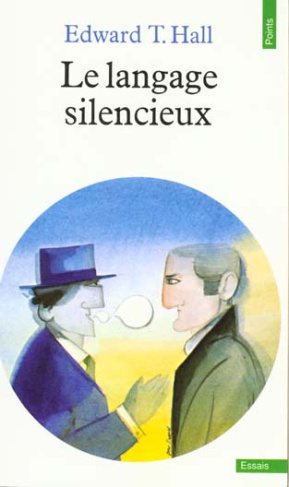
Le Langage silencieux
Edward T. Hall a montré, dans La Dimension cachée, que l'espace interpersonnel est une dimension de la culture. Le Langage silencieux avait conduit cette réflexion sur d'autres systèmes du même genre, et notamment le temps. Qu'est-ce qu'être en retard? qu'est-ce qu'attendre? par exemple. Le message exprimé là est différent selon qu'il vient d'un Européen, d'un Américain ou d'un Japonais. Ainsi le temps et, plus largement, la culture, sont-ils communication, autant que la communication est culturelle. Communication qui cache plus de choses qu'à première vue elle n'en révèle. A travers de nombreux exemples aussi précis que souvent cocasses, Edward T. Hall développe ainsi la théorie des systèmes de communication non verbaux.EpuiséVOIR PRODUIT9,90 €


De la même catégorie
-
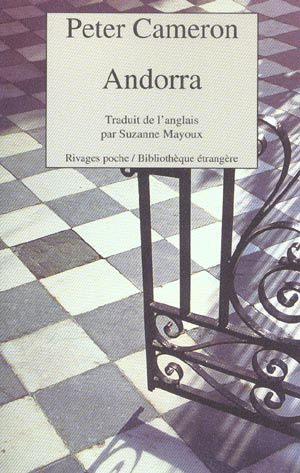
Andorra
L'Andorra du roman obsédant de Peter Cameron est inspiré d'une principauté isolée dans les Pyrénées. Transformée en un paradis éclaboussé de soleil, chacun y a quelque chose à cacher. C'est là que vient Alexander Fox, pensant y trouver réconfort et refuge, alors qu'il n'y rencontre que des souvenirs inquiétants de son passé. Andorra est un roman brillant et inventif sur le mensonge, le désir, et la tromperie de la mémoire.EpuiséVOIR PRODUIT8,15 € -
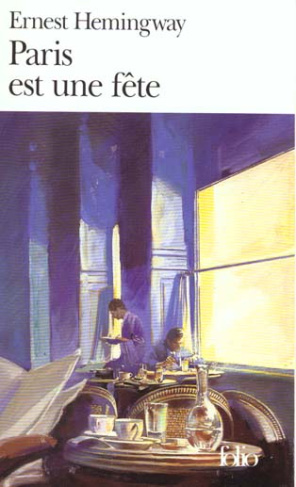
Paris est une fête
Ce volume constitue une occasion de lire un texte à la fois plus complet et plus proche del'original que le manuscrit qui constituait, pour l'auteur, une sorte de mémoire de ses jeunesannées d'écrivain à Paris. Au cours de l'été 1957, il commença à travailler sur les « Vignettes parisiennes », comme il appelait alors le livre. Il y travailla à Cuba et à Ketchum, et emporta même le manuscrit avec lui en Espagne pendant l'été 59, puis à Paris, à l'automne de cette même année. En novembre 59, Hemingway avait terminé la première version d'un texte auquel il ne manquait qu'une introduction et le dernier chapitre. Paris est une fête fut publié de manière posthume en 1964; il concerne les années parisiennes 1921 à 1926. Pendant les trois années, ou presque, qui s'écoulent entre la mort de l'auteur et la première publication de Paris est une fête, le manuscrit subit d'importants amendements de la main des éditeurs, de Mary Hemingway et de la maison Scribner. Quelques textes que Hemingway avait prévu d'inclure dans l'ouvrage ont été supprimés, tandis qu'ont été ajoutés d'autres fragments, qu'il avait certes destinés à cet ouvrage mais n'avait finalement pas retenus. Se trouve aujourd'hui restitué et présenté pour la première fois le texte manuscrit original tel qu'il était au moment de la mort de l'écrivain en 1961.EpuiséVOIR PRODUIT8,60 € -
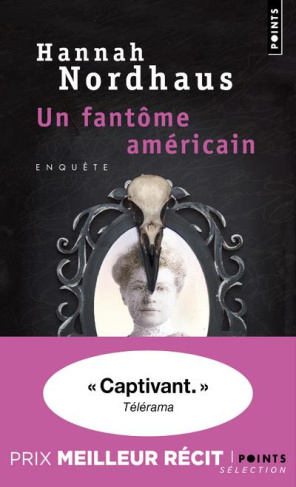
Un fantôme américain
A Santa Fe, les clients de "La Posada" sont formels : l'hôtel est hanté. Le fantôme de Julia Staab, une émigrante juive-allemande ayant vécu au XIXe siècle, existe bel et bien. De son visage blême émane une aura de tristesse. De quel outrage son spectre réclame-t-il justice ? Nul ne le sait. Sauf Hannah Nordhaus, son arrière-arrière-petite-fille qui part sur les traces de son ancêtre et honore sa mémoire. Un dernier hommage qui, peut-être, permettra à Julia de trouver le repos éternel.Sur commande en 2-4 joursCOMMANDER8,00 € -
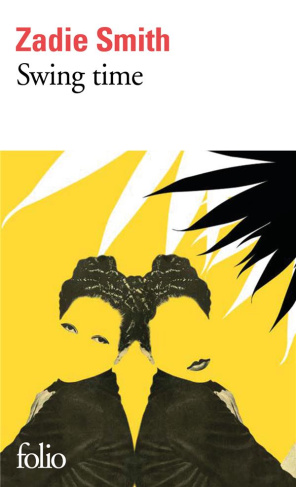
Swing Time
Dans un quartier populaire de Londres, deux petites filles métisses nouent une relation fusionnelle autour d'un même rêve : devenir danseuses. Mais seule Tracey, la plus effrontée, a du talent. L'autre possède des idées : sur le rythme et le temps, les corps et la musique noire, ce que signifie appartenir, ce que signifie être libre. Leur amitié explosive s'interrompt brusquement au début de la vingtaine. Empruntant des chemins différents vers un destin qu'elles imaginent lumineux, chacune s'égarera pourtant en route. Débordant d'énergie, d'humour et d'émotion, Swing Time raconte les espoirs et les désillusions de ceux qui suivent la danse et de ceux qui la mènent.Sur commande en 2-4 joursCOMMANDER10,00 €


