

Frank lloyd wright
Of all the books that have appeared in the last 10 years on Frank Lloyd Wright and his architecture, this is the one that will last. It is in all ways comprehensive: its text is as organized and complete as a set of blueprints; its striking pictures of projects as small as the modest Usonian houses or as grand as the Guggenheim Museum are arranged in order by the visual information they reveal about each project; and even its copyediting is noticeably coherent, with dates just where one expects such details to be, in the first picture captions for each project. The book as a whole is so carefully conceived that, reading it, one knows exactly where to look for any particular bit of history. And while, for casual readers, the essays may offer too much to digest at first, Robert McCarter's prose is agile and passionate. "Wright understood buildings to be the background or framework for human existence," he writes. "Architecture gave dignity to daily life." --Margaret Moorman
| Date de parution | 07/09/2001 |
|---|---|
| Poids | 396g |
| Largeur | 152mm |
| EAN | 9780714831480 |
|---|---|
| Titre | Frank lloyd wright |
| Auteur | Mc Carter r |
| Editeur | PHAIDON PRESS |
| Largeur | 152 |
| Poids | 396 |
| Date de parution | 20010907 |
| Nombre de pages | 0,00 € |
| Disponibilité | Epuisé |
Pourquoi choisir Molière ?
Du même auteur
-

-

Frank lloyd wright mccarter. 0000
This book is not a biography of Frank Lloyd Wright but rather an investigation into Wright's philosophy of design and space. McCarter (architecture, Univ. of Florida) dulls his attempt, however, by writing a chronological narrative in the irritating manner of a tour guide, using the first-person plural "we." The reader is bombarded with descriptions of sizes and shapes of rooms and hallways, heights of ceilings, and textures of concrete slabs; there is so much minutiae that it is impossible to see the theory through the clutter. The book is filled with beautiful photographs and illustrations, as most books on Wright's works are, but they do not aid in the tour, and often we are left to our own imagination concerning the appearances of rooms and their decor. The author does offer valid insights into Wright's philosophy, but these expositions are buried under page after page of details. More discussion and less description would have greatly improved this book. Recommended only for specialized architectural and interior design libraries; general collections should consider Neil Levine's The Architecture of Frank Lloyd Wright (LJ 6/1/96).?Glenn Masuchika, Chaminade Univ. Lib., HonoluluCopyright 1997 Reed Business Information, Inc.EpuiséVOIR PRODUIT49,95 € -
-


Du même éditeur
-
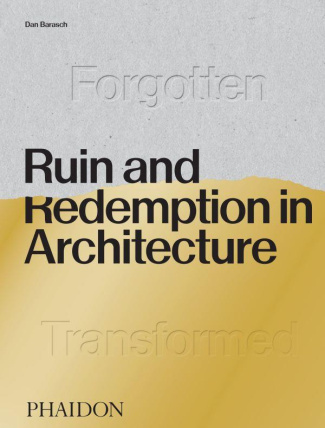
RUIN AND REDEMPTION IN ARCHITECTURE
Explores the power of abandoned architecture, capturing the awe-inspiring drama of lost and forgotten, as well as reimagined and transformed structures across the globe. From Victorian gas holders, railway stations and factories, to World War Il flak towers and bunkers, from Gothic churches, as well as Modernist and Brutalist masterpieces, this book demonstrates that transforming our built heritage has the power to change lives, communities, neighbourhoods and cities the world over.EpuiséVOIR PRODUIT49,95 € -

-

-

EZRA STOLLER - A PHOTOGRAPHIC HISTORY OF MODERN AMERICAN ARCHITECTURE
Sur commande en 2-4 joursCOMMANDER125,01 €


