

Japonisme. Echanges culturels entre le Japon et l'Occident
Depuis ses premiers contacts avec le Japon au xvie siècle, l'Occident n'a cessé d'être fasciné par la culture de ce pays lointain et secret. Lorsqu'en 1638 le Japon ferme ses frontières, il ne permet seulement à une petite colonie de commerçants néerlandais de vivre sur la petite île de Deshima dans la baie de Nagasaki. En 1858, le commerce reprend et les emprunts aux arts et à l'histoire du Japon diffusent alors largement à travers l'Europe et l'Amérique. Japonisme propose une étude complète et richement illustrée de ce mouvement. L'ouvrage analyse ainsi les champs des beaux-arts et arts décoratifs, mais aussi ceux de la décoration intérieure, des costumes, des accessoires de mode, de la littérature, du théâtre, des voyages, des jardins et des plantes. Lionel Lambourne est l'un des plus grands spécialistes internationaux du Japonisme. Son récit est vivant et riche en anecdotes sur les artistes présents dans l'ouvrage. Des oeuvres peu connues figurent à côtés de celles très célèbres de Monet, Van Gogh, Tiffany et Frank Lloyd Wright notamment. Lionel Lambourne a dirigé le département des peintures du Victoria and Albert Museum de Londres de 1986 à 1993. Il a publié notamment The æsthetic Movement (Phaidon, 1996) et Victorian Paintin g (Phaidon, 1999).
| Nombre de pages | 240 |
|---|---|
| Date de parution | 07/09/2006 |
| Poids | 1 875g |
| Largeur | 257mm |

| EAN | 9780714896670 |
|---|---|
| Titre | Japonisme. Echanges culturels entre le Japon et l'Occident |
| Auteur | Lambourne Lionel |
| Editeur | PHAIDON FRANCE |
| Largeur | 257 |
| Poids | 1875 |
| Date de parution | 20060907 |
| Nombre de pages | 240,00 € |
| Disponibilité | Sur commande en 2-4 jours |
Pourquoi choisir Molière ?
Du même auteur
-
-
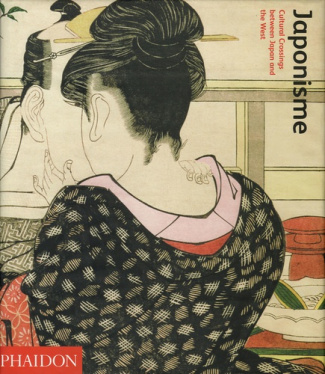
Japonisme. Cultural Crossings between Japan and the West
Ever since the very first contact in the sixteenth century, Japan has always possessed an irresistible fascination for the West. The allure was only increased when, in 1638, Japan closed its borders and for over 200 years communications could only be made through a small colony of Dutch traders permitted to live on the tiny island of Deshima in Nagasaki Bay. After 1858, full trade was resumed, and a wave of 'Japanomania' swept across Europe and America. Lionel Lambourne tells this remarkable story in a fluent and engaging narrative that focuses on the human drama of the personalities involved. This book provides a compelling background to the history of trade with the East, before turning to Europe to describe the excitement as artists - most notably Whistler and the Impressionists - discovered the newly arrived Japanese prints and artefacts, and began to incorporate their influence into their work. The story spreads far beyond fine art, however, and follows the Japanese craze into the decorative arts, interior design, furnishings, fabrics and fashion as well as literature and the theatre. With his inimitable style and his rich store of well-chosen anecdotes, Lambourne brings the events to life, creating a vivid impression of the enthusiasm and inspiration that Japonisme generated. Later chapters are devoted to the influence of Japonisme in America, travel, landscape and gardens, and the curious subject of spooks and ghosts. The visual impact of Japan on the West was enormous, and this is wonderfully conveyed by the rich and varied selection of illustrations gathered here - some 250 in all - which include many original Japanese pieces juxtaposed with the works that they directly inspired, as well as a whole range of decorative arts, posters, advertisements, illustrations, fashion, cartoons, photography, gardens and architecture. With its lively text full of human interest and closely supported by a wealth of beautiful illustrations, Japonisme provides the perfect introduction to this popular subject, and is also a valuable reference for teachers and students alike.EpuiséVOIR PRODUIT59,95 € -
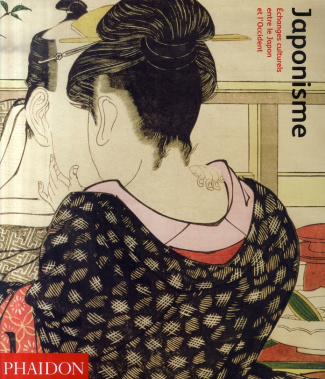
Japonisme. Echanges culturels entre le Japon et l'Occident
Depuis ses premiers contacts avec le Japon au xvie siècle, l'Occident n'a cessé d'être fasciné par la culture de ce pays lointain et secret. Lorsqu'en 1638 le Japon ferme ses frontières, il ne permet seulement à une petite colonie de commerçants néerlandais de vivre sur la petite île de Deshima dans la baie de Nagasaki. En 1858, le commerce reprend et les emprunts aux arts et à l'histoire du Japon diffusent alors largement à travers l'Europe et l'Amérique. Japonisme propose une étude complète et richement illustrée de ce mouvement. L'ouvrage analyse ainsi les champs des beaux-arts et arts décoratifs, mais aussi ceux de la décoration intérieure, des costumes, des accessoires de mode, de la littérature, du théâtre, des voyages, des jardins et des plantes. Lionel Lambourne est l'un des plus grands spécialistes internationaux du Japonisme. Son récit est vivant et riche en anecdotes sur les artistes présents dans l'ouvrage. Des oeuvres peu connues figurent à côtés de celles très célèbres de Monet, Van Gogh, Tiffany et Frank Lloyd Wright notamment. Lionel Lambourne a dirigé le département des peintures du Victoria and Albert Museum de Londres de 1986 à 1993. Il a publié notamment The æsthetic Movement (Phaidon, 1996) et Victorian Paintin g (Phaidon, 1999).Sur commande en 2-4 joursCOMMANDER39,95 € -
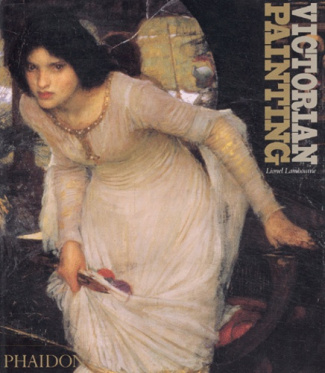
Victorian painting. Edition en langue anglaise
Victorian Painting is a comprehensive survey of one of the most fertile and varied Bras in the history of painting. It embraces not just the United Kingdom but also the English-speaking countries linked to Britain by cultural ties of emigration and empire, such as the United States, Canada, Australia, New Zealand and Africa. Long regarded as a backwater of sentiment and outmoded academic convention, Victorian painting is now wholeheartedly in its owns. Unfettered by old prejudices, Lionel Lainbourne presents a vivid panorama of an age of unparalleled energy and creativity. Wealth, optimism, education and self-confidence created a huge demand for art, and a formidable array of original and lightly talented artists emerged to meet it. Producing works in a wide range of styles, subjects and media, many painters became celebrities, while the profession as a whole enjoyed unprecedented public esteem. The author tackles this protean subject by dividing it into themes which reflect its richness and variety. After the Introduction and an illuminating survey of the Victorian Art Establishment, long chapters are devoted to the major subjects of Mural fainting, Portraiture, Landscape and Genre, while further chapters deal with particular themes: Sporting and Animal Painting, Fairy fainting, Childhood, the Panorama, Cross-Sections of Society, Social Realism, Emigration and the Nude. The author also focuses on Women Artists and on the troubled relations between the sexes; on movement such as the Pre-Raphaelites, the Aesthetes and Symbolists, and the British Impressionists; and on painting in the United States and the British colonies. Written with a light touch, full of well-chosen and amusing anecdotes, and with over 600 colour illustrations, Victorian Painting is beautiful, entertaining and informative. It is also a valuable reference work, for in addition to many famous and well-loved images, it presents a wealth of fine work by lesser-known artists, and explores the byways as well as the highways of Victorian art. Taking a generous view of the subject and sharing his enthusiasm with the reader, Lionel Lainbourne captures the vitality and exuberance of a remarkable age.EpuiséVOIR PRODUIT45,00 €


Du même éditeur
-
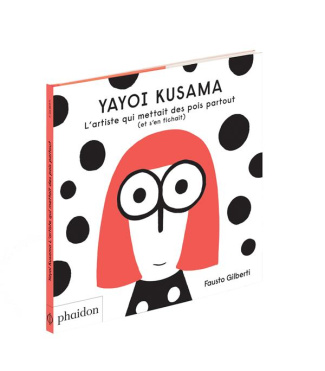
Yayoi Kusama. L'artiste qui mettait des points partout (et s'en fichait)
Yayoi Kusama rêvait de devenir une artiste célèbre. Pour cela, elle a peint jour et nuit des centaines et des centaines de pois sur de grandes toiles. Ces pois n'ont pas tardé à sortir de ses toiles pour se retrouver sur ses robes, ses tables ou ses murs, mais elle s'en fichait ! Découvre l'histoire étonnante de l'une des plus grandes artistes contemporaines au monde.Sur commande en 2-4 joursCOMMANDER14,95 € -
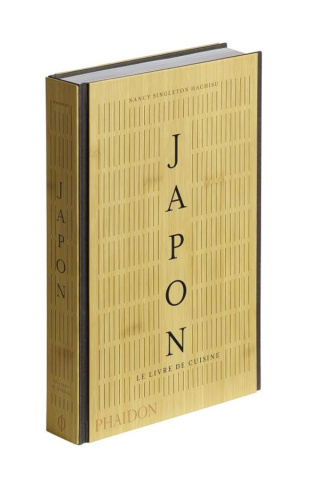
Japon. Le livre de cuisine
Japon : Le livre de cuisine propose plus de 400 délicieuses recettes élaborées par la célèbre auteure culinaire Nancy Singleton Hachisu. Les recettes traditionnelles et régionales du Japon sont classées par types de plats et sont accompagnées de notes pertinentes. Les plats ? soupes, nouilles, riz, pickles, fondues, desserts et légumes ? sont faciles à réaliser à la maison.Sur commande en 2-4 joursCOMMANDER49,95 € -
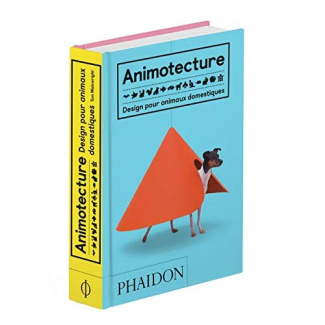
Animotecture. Design pour animaux domestiques
De la niche en béton au griffoir pour chat en forme de chien, du poulailler de luxe à l'aquarium imprimé en 3D, une collection surprenante d'objets imaginés pour les animaux, à poils, à plumes et même à écailles ! Aussi amusant qu'irrésistible, Animotecture comblera les amoureux des animaux ainsi que les amateurs de design.Sur commande en 2-4 joursCOMMANDER19,95 € -
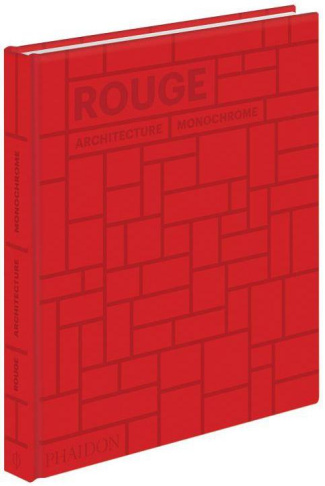
Rouge. Architecture monochrome
1 couleur, 1 300 ans, 150 structures. Un regard inédit sur la beauté et sur l'éclat de la couleur rouge dans l'architecture, avec des réalisations signées entre autres Lina Bo Bardi, Steven Holl, Frank Gehry, Tadao Ando, Jean Nouvel et Philip Johnson. Rouge : Architecture monochrome présente des musées, installations artistiques, maisons de campagne, temples, théâtres, écoles et usines, offrant un nouveau regard sur le monde bâti à travers l'esthétique de la couleur rouge.Sur commande en 2-4 joursCOMMANDER39,95 €


