BUDDHA OF SUBURBIA (THE) BOUDDHA DES BANLIEUE (L)
Karim Amir lives with his English mother and Indian father in the routine comfort of suburban London, enduring his teenage years with good humor, always on the lookout for adventure-and sexual possibilities. Life gets more interesting, however, when his father becomes the Buddha of Suburbia, beguiling a circle of would-be mystics. And when the Buddha falls in love with one of his disciples, the beautiful and brazen Eva, Karim is introduced to a world of renegade theater directors, punk rock stars, fancy parties, and all the sex a young man could desire. A love story for at least two generations, a high-spirited comedy of sexual manners and social turmoil, The Buddha of Suburbia is one of the most enchanting, provocative, and original books to appear in years.
| Date de parution | 05/04/2001 |
|---|---|
| Poids | 230g |
| Largeur | 125mm |
| EAN | 9780571142743 |
|---|---|
| Titre | BUDDHA OF SUBURBIA (THE) BOUDDHA DES BANLIEUE (L) |
| ISBN | 0571142745 |
| Auteur | KUREISHI HANIF |
| Editeur | FABER ET FABER |
| Largeur | 125 |
| Poids | 230 |
| Date de parution | 20010405 |
| Nombre de pages | 0,00 € |
| Disponibilité | Sur commande en 2-4 jours |
Pourquoi choisir Molière ?
Du même auteur


Du même éditeur
-

-
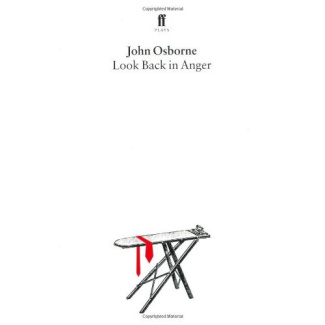
LOOK BACK IN ANGER
Anyone who's never watched someone die is suffering from a pretty bad case of virginity.Look Back in Anger premiered at the Royal Court Theatre, London, in 1956. 'John Osborne didn't contribute to British theatre: he set off a landmine called Look Back in Anger and blew most of it up.' Alan Sillitoe 'A story of youthful insecurity inflamed by lack of opportunity and the terrifying, destabilizing force of love . . . Jimmy Porter could fill an opera house with his bellowing hunger for a bigger, better life and a loyal love to share it with.' New York Times 'Look Back in Anger presents post-war youth as it really is. To have done this at all would be a signal achievement; to have done it in a first play is a minor miracle. All the qualities are there, qualities one had despaired of ever seeing on the stage - the drift towards anarchy, the instinctive leftishness, the automatic rejection of "official" attitudes, the surrealist sense of humour, the casual promiscuity, the sense of lacking a crusade worth fighting for and, underlying all these, the determination that no one who dies shall go unmourned . . . I doubt if I could love anyone who did not wish to see Look Back in Anger. It is the best young play of its decade.' Kenneth Tynan, Observer'How bracing, and, yes, even shocking, its white-hot fury remains.' The Times This edition includes an introduction by Michael Billington and an afterword by David Hare.EpuiséVOIR PRODUIT15,20 € -
-