FARGO
10,70 €
Epuisé
EAN :
9780571202447
| Date de parution | 01/04/2001 |
|---|---|
| Poids | 300g |
Plus d'informations
| EAN | 9780571202447 |
|---|---|
| Titre | FARGO |
| ISBN | 0571202446 |
| Auteur | JOEL ETHAN COEN |
| Editeur | FABER ET FABER |
| Largeur | 0 |
| Poids | 300 |
| Date de parution | 20010401 |
| Nombre de pages | 0,00 € |
| Disponibilité | Epuisé |
Pourquoi choisir Molière ?
Efficacité et rapidité Commandé avant 16h livré demain
Économique et pratique Livraison dès 3,90 €
Facile et sans frais Retrait gratuit en magasin
Du même auteur
-
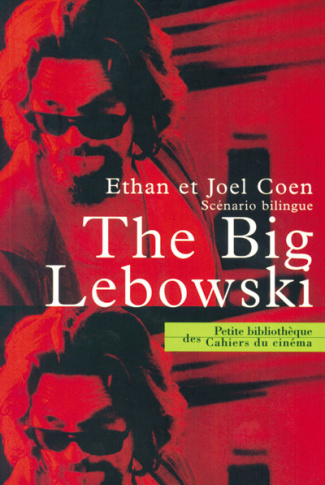
The big Lebowski. Scénario bilingue
The Big Lebowski est notre version contemporaine d'une histoire à la Raymond Chandler, explique Ethan Coen, avec une mystérieuse intrigue et un personnage qui s'apparente à un détective privé. Au contraire de Philip Marlowe, le héros de Chandler, le nôtre est un marginal, un chômeur vivant encore dans les années 70. " Il a oublié jusqu'à son nom, Jeff Lebowski, et se surnomme lui-même " the Dude ", le mec, le gus, par dérision vis-à-vis de lui-même. Il consacre tout son temps aux copains, au bowling, sous l'influence de l'alcool et des herbes prohibées. Rebelles sans cause, anachroniques, le " Dude " et ses copains appartiennent à l'idéologie, à l'esthétique des années 70 ; ils en sont restés prisonniers et ne parviennent pas à trouver leur place dans le paysage des années 90. Ce " mec " déambule dans le patchwork de Los Angeles où il croise des personnages étranges, de générations et milieux sociaux les plus hétérogènes, dans une atmosphère directement issue du film noir. Malgré toute la désinvolture qu'il affecte comme principe de vie, il se retrouve pris dans une sombre affaire de kidnapping qui va tourner au guêpier...EpuiséVOIR PRODUIT9,95 € -
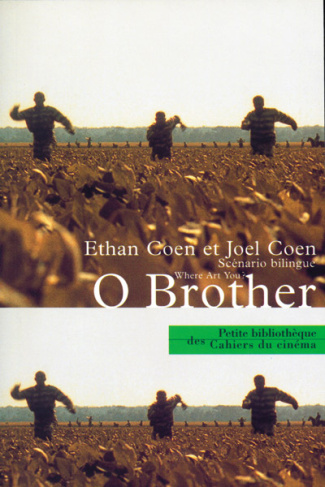
O Brother. Edition bilingue français-anglais
Dans le Mississipi profond, pendant la Grande Dépression, trois prisonniers enchaînés s'évadent d'une ferme pénitentiaire : Ulysse Everett Mc Gill (George Clooney), le gentil et simple Delmar (Tim Blake Nelson) et l'éternel râleur Pete (John Turturro). N'ayant rien à perdre et unis par leurs chaînes, ils entreprennent un voyage semé d'embûches et riche en personnages hauts en couleur. Des aventures palpitantes, de l'humour et de l'émotion, O'Brother est une version moderne et décalée de L'Odyssée d'Homère. O'Brotheer (O'Brother Where Art You) est une adaptation très libre et relativement contemporaine de L'Odyssée. Nous l'avons situé dans le Sud des Etats-Unis, le "Deep South", sur fond de musique "bluegrass" (une forme traditionnelle du blues), car les choix musicaux que nous avions en tête suggéraient que le film se déroule là. L'idée de faire des personnages les évadés d'un pénitencier est arrivée en même temps. C'est une comédie, sans doute plus proche d'Arizona Junior que de Fargo ou Miller's Crossing (il n'y a pas de corps balancé dans une machine à couper du bois, ou des gens qui vomissent du sang). L'association des personnages principaux contribue au charme de l'aventure. John Turturro, Tim Blake Nelson et George Clooney forment un trio comique inimitable et savoureux. " Joel Coen et Ethan Coen O Brother (2000), écrit par Joel et Ethan Coen, produit par Ethan Coen et réalisé par Joel Coen, est interprété par George Clooney, Tim Blake Nelson, John Turturro, Charles Durning, John Goodman, Michael Badalucco et Holly Hunter.Sur commande en 4-6 joursCOMMANDER10,95 € -
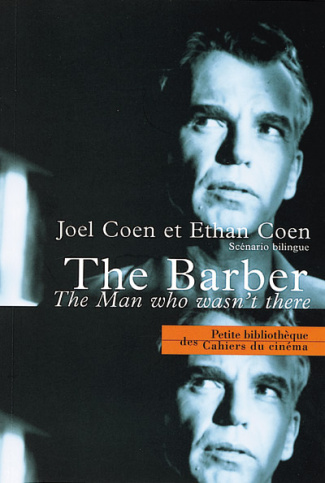
The Barber. The Man Who Wasn't There, scénario bilingue français-anglais
1949, une petite ville des Etats-Unis. Ed, coiffeur, est marié à une femme qui lui est infidèle. L'équilibre du couple, déjà précaire, est d'autant plus fragilisé quand l'amant de l'épouse est retrouvé mort... Le nouveau film des frères Coen est un film noir, dans la veine du Facteur sonne toujours deux fois. Les thèmes abordés enthousiasment les adeptes des auteurs de Fargo et de Blood Simple : il est question à la fois de soucoupes volantes, d'homosexualité, d'avocats tenaces et de détectives un peu simplets. Tout un programme ! The Man who wasn't there (2001), écrit par Ethan et Joel Coen, produit par Ethan Coen et réalisé par Joel Coen, est interprété par Billy Bob Thornton, Frances Mc Dormand, Michael Badalucco et James Gandolfini.Sur commande en 4-6 joursCOMMANDER9,95 € -

Le cerveau a-t-il un sexe ?
Contrairement aux nombreuses idées reçues, nous ne sommes pas défini-e-s par notre sexe ! Les auteures nous montrent que notre cerveau est le résultat d’une complexe interaction entre sexe, génétique, environnement et éducation. Une œuvre à la fois enrichissante de par son contenu et déstabilisante quand on réalise tous les prétextes inventés par des pseudo-scientifiques afin de ne pas remettre en cause l’ordre social genré que nous connaissons. Le livre idéal pour en finir avec ces stéréotypes qui ne rendent personne heureux !EpuiséVOIR PRODUIT20,80 €


Du même éditeur
-
-
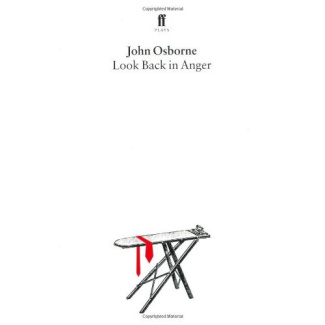
LOOK BACK IN ANGER
Anyone who's never watched someone die is suffering from a pretty bad case of virginity.Look Back in Anger premiered at the Royal Court Theatre, London, in 1956. 'John Osborne didn't contribute to British theatre: he set off a landmine called Look Back in Anger and blew most of it up.' Alan Sillitoe 'A story of youthful insecurity inflamed by lack of opportunity and the terrifying, destabilizing force of love . . . Jimmy Porter could fill an opera house with his bellowing hunger for a bigger, better life and a loyal love to share it with.' New York Times 'Look Back in Anger presents post-war youth as it really is. To have done this at all would be a signal achievement; to have done it in a first play is a minor miracle. All the qualities are there, qualities one had despaired of ever seeing on the stage - the drift towards anarchy, the instinctive leftishness, the automatic rejection of "official" attitudes, the surrealist sense of humour, the casual promiscuity, the sense of lacking a crusade worth fighting for and, underlying all these, the determination that no one who dies shall go unmourned . . . I doubt if I could love anyone who did not wish to see Look Back in Anger. It is the best young play of its decade.' Kenneth Tynan, Observer'How bracing, and, yes, even shocking, its white-hot fury remains.' The Times This edition includes an introduction by Michael Billington and an afterword by David Hare.EpuiséVOIR PRODUIT15,20 € -
-