Les enluminures
This beautiful catalogue explores four books that are remarkable survivals of what people read in the Middle Ages ? the finest of medieval Bibles (the greatest text of Western civilization), one of the oldest Books of Hours (the most famous medieval manuscripts of all), Biography (the unique legend of an Anglo-Saxon princess), and the History of Troy (the oldest chivalric story in European history). These are all manuscripts unknown on the market for at least eighty years. One of the four was last described in print in 1588; the others were last catalogued for sale in 1909, 1932 and 1938 respectively. All are richly illustrated, with a total of 133 miniatures between them, as well as hundreds of borders and illuminated animals and grotesques. Some of the finest artists of the period were responsible for the miniatures, and at least two of them likely issue directly from the greatest of European courts. Prize-winning author of Meetings with Remarkable Manuscripts, Christopher de Hamel, wrote the Introduction and Catalogue. Founder and President of Les Enluminures, Sandra Hindman is responsible for the Preface. Les Enluminures is an internationally recognized leader in the field of Medieval and Renaissance manuscripts, miniatures, and finger rings. Dr. Sandra Hindman, an expert on medieval and Renaissance manuscript illumination and Professor Emerita at Northwestern University, founded Les Enluminures in Paris in 1991 in association with her Chicago-based business. The New York City location opened in May 2012. Keegan Goepfert (M.A., Courtauld) became Vice-President of the company in 2012. For over twenty-seven years, Les Enluminures has forged and maintained relationships with the world?s most prestigious public and private collections. International clients include the Musée du Louvre, the Metropolitan Museum of Art, the National Gallery of Art in Washington D.C., the J. Paul Getty Museum, among many others. The gallery has exhibited in most major art fairs in the United States and Europe, and we organize three to four exhibitions in our gallery spaces annually.
| Nombre de pages | 144 |
|---|---|
| Date de parution | 19/10/2018 |
| Poids | 800g |
| Largeur | 198mm |
| EAN | 9780997184273 |
|---|---|
| Titre | Les enluminures |
| Auteur | Hamel Christopher de ; Hindman Sandra |
| Editeur | HOLBERTON |
| Largeur | 198 |
| Poids | 800 |
| Date de parution | 20181019 |
| Nombre de pages | 144,00 € |
| Disponibilité | Epuisé |
Pourquoi choisir Molière ?
Du même auteur
-
-
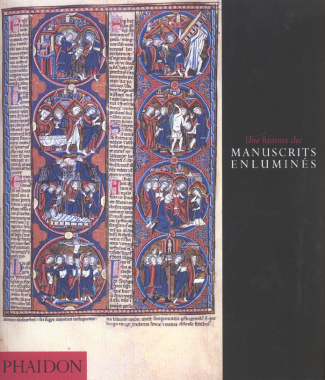
Une histoire des manuscrits enluminés
Les manuscrits médiévaux figurent parmi les trésors de la civilisation occidentale. Leur ouvrage d'écriture, précieusement décorée, occupe depuis toujours une place exceptionnelle dans l'imagination collective. Christopher de Hamel retrace les circonstances dans lesquelles les manucrits ont été crées, depuis les premiers évangiles monastiques jusq'aux luxueux livres d'heures.Sur commande en 2-4 joursCOMMANDER29,95 € -
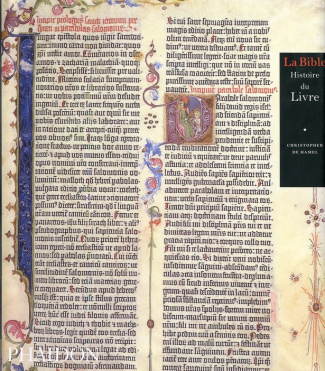
La Bible. Histoire du Livre
LA BIBLE est le livre ayant connu, à ce jour, le plus grand succès à travers le monde. Depuis plus de mille ans, elle est l'?uvre écrite la plus diffusée et dont l'influence sur la culture, le langage et l'art de l'humanité reste prépondérante. Chaque époque a adapté et utilisé la Bible à ses fins propres, modifiant sa facture et sa langue. Le présent ouvrage retrace l'histoire de la Bible en tant qu'objet. Il suit son évolution tout au long de son extraordinaire voyage à travers le temps.Cette histoire unique commence à l'époque des manuscrits enluminés, avec la traduction latine de saint Jérôme, la Vulgate, qui donna à la Bible sa forme actuelle. Parallèlement, l'auteur explore l'histoire de la Bible dans ses langues d'origine, l'hébreu et le grec. Puis il relate le triomphe progressif de la Vulgate à travers l'âge des Ténèbres en Europe occidentale, avant de déchiffrer les splendides bibles géantes du début du Moyen Age, et les commentaires monastiques de la Bible. Enfin, il éclaire l'histoire du XIIIe siècle, époque cruciale au cours de laquelle la Bible prit sa forme moderne. Le récit de l'époque médiévale s'achève sur les magnifiques bibles illustrées et les bibles anglaises de Wyclif, dont les détenteurs risquaient de périr sur le bûcher.L'invention de l'imprimerie changea le cours de l'histoire du livre. Un chapitre entier est consacré à Gutenberg et au premier livre imprimé, la célèbre "Bible à 42 lignes". Puis le récit se poursuit avec la Réforme, la Bible de Martin Luther en allemand, la vague de traductions protestantes dans les langues européennes, le développement de l'industrie éditoriale de la Bible et les gigantesques efforts des missionnaires pour la traduire dans toutes les langues. Le dernier chapitre, enfin, s'intéresse à l'époque moderne. Il relate notamment la découverte des manuscrits de la mer Morte et celle des fragments de papyrus trouvés dans le désert égyptien, conduisant le lecteur aux origines de l'Ancien et du Nouveau Testament.Christopher de Hamel, scrupuleux spécialiste, possède le talent narratif du brillant historien. Sans être ni évangélique ni polémique, son récit, précis et extrêmement instructif, s'appuie constamment sur des documents historiques. Original et appelé à faire autorité, La Bible. Histoire du Livre retrace avec force, intelligence et vivacité l'histoire de l'un des livres les plus remarquables au monde.EpuiséVOIR PRODUIT39,95 € -
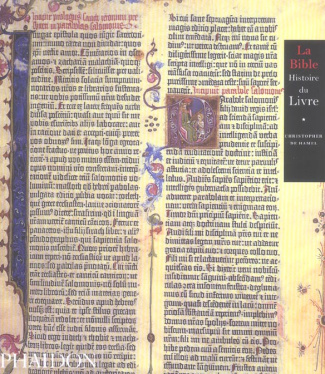
La Bible. Histoire du Livre
LA BIBLE est le livre ayant connu, à ce jour, le plus grand succès à travers le monde. Depuis plus de mille ans, elle est l'?uvre écrite la plus diffusée et dont l'influence sur la culture, le langage et l'art de l'humanité reste prépondérante. Chaque époque a adapté et utilisé la Bible à ses fins propres, modifiant sa facture et sa langue. Le présent ouvrage retrace l'histoire de la Bible en tant qu'objet. Il suit son évolution tout au long de son extraordinaire voyage à travers le temps. Cette histoire unique commence à l'époque des manuscrits enluminés, avec la traduction latine de saint Jérôme, la Vulgate, qui donna à la Bible sa forme actuelle. Parallèlement, l'auteur explore l'histoire de la Bible dans ses langues d'origine, l'hébreu et le grec. Puis il relate le triomphe progressif de la Vulgate à travers l'âge des Ténèbres en Europe occidentale, avant de déchiffrer les splendides bibles géantes du début du Moyen Age, et les commentaires monastiques de la Bible. Enfin, il éclaire l'histoire du XIIIe siècle, époque cruciale au cours de laquelle la Bible prit sa forme moderne. Le récit de l'époque médiévale s'achève sur les magnifiques bibles illustrées et les bibles anglaises de Wyclif, dont les détenteurs risquaient de périr sur le bûcher. L'invention de l'imprimerie changea le cours de l'histoire du livre. Un chapitre entier est consacré à Gutenberg et au premier livre imprimé, la célèbre "Bible à 42 lignes". Puis le récit se poursuit avec la Réforme, la Bible de Martin Luther en allemand, la vague de traductions protestantes dans les langues européennes, le développement de l'industrie éditoriale de la Bible et les gigantesques efforts des missionnaires pour la traduire dans toutes les langues. Le dernier chapitre, enfin, s'intéresse à l'époque moderne. Il relate notamment la découverte des manuscrits de la mer Morte et celle des fragments de papyrus trouvés dans le désert égyptien, conduisant le lecteur aux origines de l'Ancien et du Nouveau Testament. Christopher de Hamel, scrupuleux spécialiste, possède le talent narratif du brillant historien. Sans être ni évangélique ni polémique, son récit, précis et extrêmement instructif, s'appuie constamment sur des documents historiques. Original et appelé à faire autorité, La Bible. Histoire du Livre retrace avec force, intelligence et vivacité l'histoire de l'un des livres les plus remarquables au monde.EpuiséVOIR PRODUIT19,95 €