

IMPRESSIONISM
The Impressionists developed one of the most innovative movements in the history of Western art. Their revolutionary ideas about light and colour, expression, realism, the aim of painting and the role of the artist, all laid the foundations of modern art. Although ridiculed at first by the art establishment in Europe, Impressionism became one of the most celebrated and popular of art styles, and artists such as Monet, Manet, Pissarro and Renoir have achieved enduring acclaim. In this book, Mark Powell-Jones, an art historian with a special interest in Impressionism, defines and charts the development of the movement. Critic Philip Cooper has chosen illustrations to show the diversity of and connections between Impressionist paintings, and has written a detailed commentary on each colour plate.
| Nombre de pages | 127 |
|---|---|
| Date de parution | 26/07/1999 |
| Poids | 500g |
| Largeur | 225mm |
| EAN | 9780714830537 |
|---|---|
| Titre | IMPRESSIONISM |
| Auteur | Cooper Philip ; Powell-Jones Mark |
| Editeur | PHAIDON PRESS |
| Largeur | 225 |
| Poids | 500 |
| Date de parution | 19990726 |
| Nombre de pages | 127,00 € |
| Disponibilité | Epuisé |
Pourquoi choisir Molière ?
Du même auteur
-

CUBISM
Cubism was one of the most influential movements in Western art this century, Beginning with the revolutionary experiments of Picasso and Braque in Paris between 1906 and 1908, Cubism gathered momentum and soon spread to the rest of Europe and America. The movement's rejection of illusionistic representation in favour of an autonomous pictorial language opened the way to abstraction. The Cubists also invented papier collé and pioneered a new approach to sculpture, innovations that are still being explored today. This book presents a wide cross-section of all these developments, and black-and-white illustrations of comparative works provide a perfect introduction to Cubism.EpuiséVOIR PRODUIT9,95 € -

La fracture des nations. Ordre et chaos au XXIe siècle
Bouleversé depuis la chute du communisme, le monde vacille encore sur ses bases. Sous la surface trompeuse des affrontements Nord-Sud ou Islam-Occident, quelles sont les tendances souterraines à l'?uvre dans les relations internationales? Selon Robert Cooper, trois types d'Etats sont en train d'apparaîtreà côté de l'Inde, du Brésil ou de la Chine qui poursuivent ouvertement une politique de puissance nationale, certains Etats, tels la Somalie ou l'Afghanistan, stagnent encore à l'âge prémoderne, héritiers de valeurs archaïques. L'Europe, elle, fait figure de puissance postmoderne, pour laquelle la guerre est devenue inconcevable. Or, elle se montre plus vulnérable que jamais face aux missiles et aux terrorismes qui ignorent les frontières et que les vieilles alliances de la guerre froide ne contrôlent plus. La vision européenne est-elle viable? Une politique étrangère peut-elle se réduire au respect du droit et à l'action humanitaire? Telles sont les questions essentielles que pose Robert Cooper, dans cet essai audacieux et iconoclaste qui fait écho aux thèses de Robert Kagan. Car, à force de vouloir sortir de la grande Histoire et de ses jeux de pouvoir, l'Europe risque peut-être de se retrouver plus démunie que jamais face à l'hyper-puissance américaine.EpuiséVOIR PRODUIT20,30 € -

-



Du même éditeur
-
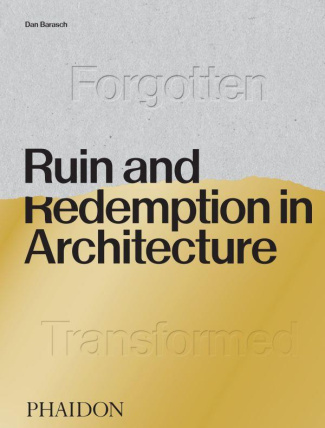
RUIN AND REDEMPTION IN ARCHITECTURE
Explores the power of abandoned architecture, capturing the awe-inspiring drama of lost and forgotten, as well as reimagined and transformed structures across the globe. From Victorian gas holders, railway stations and factories, to World War Il flak towers and bunkers, from Gothic churches, as well as Modernist and Brutalist masterpieces, this book demonstrates that transforming our built heritage has the power to change lives, communities, neighbourhoods and cities the world over.EpuiséVOIR PRODUIT49,95 € -
-
-

EZRA STOLLER - A PHOTOGRAPHIC HISTORY OF MODERN AMERICAN ARCHITECTURE
Sur commande en 2-4 joursCOMMANDER125,01 €


