Paul Rand (1914-96) was a pioneering figure in American graphic design. Adopting what he called a 'problem solving' approach to design, he drew on the ideas of European avant-garde art movements, such as Cubism, Constructivism and De Stijl, and synthesized them to produce his own distinctive graphic language. As an art director, teacher, writer and design consultant to companies including IBM and UPS, he was a major force and influence in the field of graphics and visual communication and enjoyed an enthusiastic and committed following. Rand's career spanned almost seven decades and numerous chapters of design history. His own books are solidly thematic, whereas this definitive collection of his key published and proposed works is medium-driven. It explores the full range of his advertising, publishing and corporate identity work. The eminent designer Armin Hofmann writes the foreword; George Lois, one of the foremost figures in advertising and a follower of Rand, writes an inspiring introduction; and Jessica Helfand, one of Rand's former Yale students and a highly respected design writer, captures his educational achievements in the lively concluding essay. Steven Heller has had the full backing of Rands widow, Marion, and enjoyed unique access to Rand's studio archive. This meticulously researched and detailed survey marks the first complete retrospective of Rand's powerful body of work.
Nombre de pages
255
Date de parution
27/07/1999
Poids
1 940g
Largeur
259mm
Plus d'informations
Plus d'informations
EAN
9780714837987
Titre
PAUL RAND. Edition en anglais
Auteur
Heller Steven
Editeur
PHAIDON PRESS
Largeur
259
Poids
1940
Date de parution
19990727
Nombre de pages
255,00 €
Disponibilité
Epuisé
Pourquoi choisir Molière ?
Efficacité et rapiditéCommandé avant 16hlivré demain
Économique et pratiqueLivraison dès 3,90 €
Facile et sans fraisRetrait gratuiten magasin
Disponibilité et écouteContactez-nous sur WhatsApp
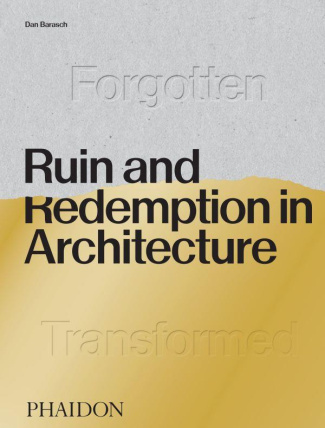
Explores the power of abandoned architecture, capturing the awe-inspiring drama of lost and forgotten, as well as reimagined and transformed structures across the globe. From Victorian gas holders, railway stations and factories, to World War Il flak towers and bunkers, from Gothic churches, as well as Modernist and Brutalist masterpieces, this book demonstrates that transforming our built heritage has the power to change lives, communities, neighbourhoods and cities the world over.