
DIARY OF ONE WHO VANISHED
8,40 €
Epuisé
EAN :
9780571204120
| Date de parution | 01/04/2001 |
|---|---|
| Poids | 200g |
Plus d'informations
| EAN | 9780571204120 |
|---|---|
| Titre | DIARY OF ONE WHO VANISHED |
| ISBN | 0571204120 |
| Auteur | HEANEY KALDA |
| Editeur | FABER ET FABER |
| Largeur | 0 |
| Poids | 200 |
| Date de parution | 20010401 |
| Nombre de pages | 0,00 € |
| Disponibilité | Epuisé |
Pourquoi choisir Molière ?
Efficacité et rapidité Commandé avant 16h livré demain
Économique et pratique Livraison dès 3,90 €
Facile et sans frais Retrait gratuit en magasin
Du même auteur
-

-
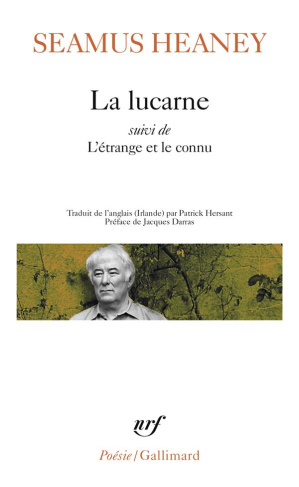
La lucarne. Suivi de L'Etrange et le connu
Né en 1939 en Irlande du Nord et mort en 2013 à Dublin, Seamus Heaney est sans conteste une des plus grandes voix de la poésie anglo-saxonne du XX ? siècle. Le volume que nous publions, composé de deux recueils parus en 1991 et 1996 et qui encadrent sa réception du Prix Nobel de littérature en 1995, oeuvres donc de la maturité, introduisent parfaitement à l'univers singulier du poète marqué notamment par la prégnance constante du monde rural, sa rudesse, ses travaux, ses outils, dont ce fils de fermier né dans une famille de six enfants dans une chaumière de la région de Londonderry a toujours fait le substrat de sa poésie. Si elle n'est évidemment pas indemne des tourments et violences engendrées par le douloureux conflit qui a marqué l'histoire de son pays, conflit que le poète, homme de paix, a toujours voulu dépasser, la poésie de Heaney reste au plus près des choses concrètes et quotidiennes, attachée à la simplicité des êtres et des choses. Un poète qui se situe dans l'extraordinaire constellation littéraire irlandaise parmi Yeats, Joyce ou Beckett...Sur commande en 2-4 joursCOMMANDER10,40 € -
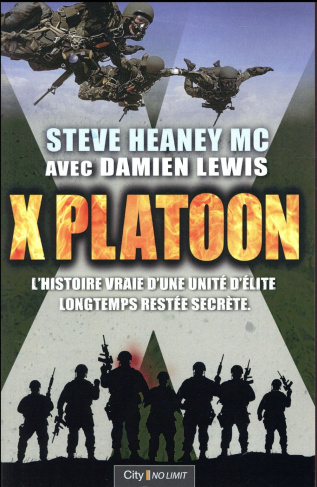
X Platoon
Officiellement, l'unité X-Platoon n'existe pas. Pourtant, les quarante hommes qui composent cette section interviennent pour des missions hautement stratégiques. Dans le plus grand secret, ils font le "sale boulot" dont personne ne veut entendre parler. Dans ce témoignage unique sur les opérations commando les plus dangereuses au monde, un vétéran des X-Platoon nous fait entrer dans l'intimité de ces hommes surentraînés. Il raconte les opérations anti-drogue dans les jungles d'Amérique du Sud, les chasses aux criminels de guerre dans les Balkans ou encore l'infiltration et l'espionnage en Russie. C'est aussi un passionnant récit de vie, le parcours d'un gamin sans avenir qui a connu une ascension extraordinaire au sein d'une unité d'élite.EpuiséVOIR PRODUIT21,30 € -
Poèmes. 1966-1984
Seamus Heaney est actuellement reconnu comme l'un des plus grands poètes contemporains de langue anglaise. Ses premiers poèmes - Death of a Naturalist (1966), Door into the Dark (1969) - témoignent de son attachement profond pour la terre d'Irlande et son histoire. Il y exprime la nostalgie d'une enfance passée près de la nature, et nous fait part de ses découvertes et de ses souvenirs d'enfant. Dans les deux recueils suivants - Wintering Out (1972), North (1975) -, son oeuvre prend une dimension nouvelle. Il s'interroge sur ses racines et exprime son désespoir, dans de remarquables et émouvants poèmes, face à l'actualité sanglante de l'Irlande du Nord. Field Work (1979) dépasse peu à peu cette violence et nous offre de très beaux poèmes d'amour, et Station Island (1984) est un voyage intérieur où l'homme se retrouve face à son destin. Le présent ouvrage réunit deux corpus de traductions d'un choix de poèmes extraits de ces six recueils, corpus établis par deux traductrices. Le regard différent qu'elles ont chacune porté sur le monde poétique de Seamus Heaney contribue à donner une vue d'ensemble de l'oeuvre de ce grand poète, publiée pour la première fois en français.Sur commande en 2-4 joursCOMMANDER17,50 €



Du même éditeur
-
-
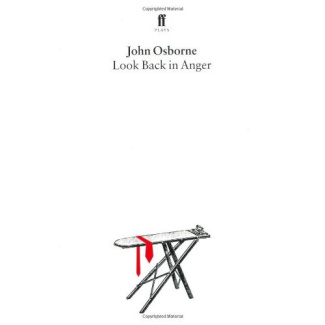
LOOK BACK IN ANGER
Anyone who's never watched someone die is suffering from a pretty bad case of virginity.Look Back in Anger premiered at the Royal Court Theatre, London, in 1956. 'John Osborne didn't contribute to British theatre: he set off a landmine called Look Back in Anger and blew most of it up.' Alan Sillitoe 'A story of youthful insecurity inflamed by lack of opportunity and the terrifying, destabilizing force of love . . . Jimmy Porter could fill an opera house with his bellowing hunger for a bigger, better life and a loyal love to share it with.' New York Times 'Look Back in Anger presents post-war youth as it really is. To have done this at all would be a signal achievement; to have done it in a first play is a minor miracle. All the qualities are there, qualities one had despaired of ever seeing on the stage - the drift towards anarchy, the instinctive leftishness, the automatic rejection of "official" attitudes, the surrealist sense of humour, the casual promiscuity, the sense of lacking a crusade worth fighting for and, underlying all these, the determination that no one who dies shall go unmourned . . . I doubt if I could love anyone who did not wish to see Look Back in Anger. It is the best young play of its decade.' Kenneth Tynan, Observer'How bracing, and, yes, even shocking, its white-hot fury remains.' The Times This edition includes an introduction by Michael Billington and an afterword by David Hare.EpuiséVOIR PRODUIT15,20 € -
-